


Table of Contents
Artificial intelligence is transforming how British businesses operate, but its rapid adoption raises important questions about information security, accountability and responsible use.
Research published by the British Chambers of Commerce in March 2026 found that 54% of UK firms surveyed were actively using AI, compared with 35% in 2025. The research, undertaken with the University of Essex, highlights how quickly AI is becoming part of everyday business.
Against this backdrop, Sudbury based Mackman Group has achieved certification to two international management standards: ISO/IEC 42001:2023 for artificial intelligence management and ISO/IEC 27001:2022 for information security.
These achievements follow the consultancy’s Cyber Essentials Plus certification in September 2026 and reinforce its commitment to protecting client information, supporting responsible innovation and maintaining high professional standards across its marketing, research and HR consultancy operations.
For Mackman Group, these certifications represent more than an accreditation milestone. They reflect a belief that organisations of every size should be able to benefit from AI while protecting the people, information and relationships on which their success depends.
Why Responsible AI Matters
AI is already changing how organisations research, plan, create, communicate and make decisions. Access to the technology is no longer the difficult part. The harder questions concern governance.
Which tools may employees use? What information can be shared with them? How are risks assessed? Who checks the outputs? When should AI not be used? And who remains accountable for the final work?
The importance of these questions is reinforced by the UK Government’s AI Adoption Survey 2026, published in October. It found that 56% of businesses already using AI expressed concerns about bias and lack of accuracy. The findings underline the need for appropriate safeguards, employee understanding and human oversight.
ISO/IEC 42001 provides a structured approach to managing the risks and opportunities associated with artificial intelligence, including accountability, transparency and responsible use.
For Mackman Group, the principle is clear. AI should strengthen professional capability, while people remain responsible for the quality, ethics and consequences of the work undertaken.
What Responsible AI Means in Practice
Certification represents the management systems behind Mackman Group’s work, rather than simply a commitment to using technology responsibly.
The Group’s approach includes approved AI platforms, employee training, risk and impact assessments, supplier evaluation, an organisational AI register and clear rules governing data use and client confidentiality.
Defined responsibilities, prohibited uses and requirements for professional review help ensure AI is applied appropriately. Ethical and environmental considerations also inform decision making, reflecting the Group’s wider commitment to responsible business.
Human judgement remains essential. AI assisted work is subject to appropriate professional review, with accountability remaining with Mackman Group employees rather than passing to a technology platform or supplier.
These controls will continue to evolve as technologies, risks and professional expectations change. Continual improvement is central to both ISO management standards.
Protecting the Information Entrusted to Us
ISO/IEC 27001 provides a structured information security management system, helping organisations identify and manage risks affecting the confidentiality, integrity and availability of information.
For Mackman Group, this is particularly important because its work involves commercially sensitive business strategies, customer and employee information, research data, intellectual property, brand assets, digital systems and confidential organisational plans.
Cyber Essentials Plus provides an additional layer of assurance. Unlike the standard Cyber Essentials certification, it includes independent technical testing to verify that the required cyber security controls are operating effectively.
The three certifications perform different but complementary roles.
Cyber Essentials Plus tests essential technical security measures. ISO/IEC 27001 provides the broader information security management framework. ISO/IEC 42001 addresses the distinct governance and accountability requirements associated with artificial intelligence.
Together, they support a consistent and structured approach to managing information, technology and organisational risk across Mackman Group.
What This Means for Our Clients
Clients need more than technical terminology. They need confidence that their consultancy partners will protect sensitive information, use technology appropriately and remain accountable for the advice and work they deliver.
These certifications provide independent evidence of the management systems supporting those responsibilities, across Mackman Group’s three specialist divisions.
Mackman Research: Protecting Evidence and Research Integrity
Research clients entrust Mackman Research with confidential business information, participant data, stakeholder views and evidence used to inform important decisions.
As an MRS Company Partner, Mackman Research already operates within recognised professional and ethical research standards. The Group’s AI and information security management systems provide additional structure for protecting information, assessing technology risks and maintaining appropriate professional oversight.
AI can support aspects of research delivery, but the interpretation of evidence, protection of participants and integrity of findings remain professional responsibilities.
Mackman Branding & Marketing: Protecting Commercially Sensitive Information
Clients routinely share confidential business plans, marketing strategies, customer information, intellectual property and brand assets with their marketing partners.
Mackman Group’s information security and AI governance systems support responsible handling of these materials, the use of approved technologies and appropriate professional review of AI assisted work.
This provides reassurance for organisations seeking a creative and strategic partner that can embrace innovation while maintaining professional standards and accountability.
Red Kite HR Services: Respecting Employee Confidentiality
HR consultancy frequently involves sensitive employee information, organisational change and decisions that directly affect people.
The Group’s management systems reinforce the importance of confidentiality, appropriate information handling and human judgement when technology is used to support HR activities.
Responsible AI adoption is particularly important in people related work, where fairness, transparency and accountability must remain central to decision making.
Across all three divisions, the objective is consistent: to combine professional expertise with appropriate safeguards, protecting client interests while making effective use of emerging technology.
Part of Our Approach to Responsible Business
For Mackman Group, responsible AI governance and information security are extensions of values that have guided the consultancy for more than two decades.
As a certified B Corporation, the Group is committed to considering the wider effects of business decisions on employees, clients, communities and the environment. This commitment influences how new technologies are evaluated, including their ethical implications, their potential impact on people and their environmental considerations.
In 2023, Mackman Group became the world’s first Chartered Institute of Marketing Company Affiliate, reflecting its commitment to recognised professional marketing standards and continuing development. Individual members of its senior team also hold Chartered and Fellow status with professional bodies, including CIM and CIPR.
Through Mackman Research’s MRS Company Partner status, the Group demonstrates its commitment to recognised research ethics and professional practice, particularly in relation to participant welfare, confidentiality and the responsible interpretation of evidence.
These commitments work together, but serve different purposes.
B Corp certification reflects a wider commitment to responsible business. Professional codes establish expectations of competence, integrity and ethical conduct. ISO management systems introduce structured governance, documented responsibilities, risk management and continual improvement.
The addition of ISO/IEC 42001, ISO/IEC 27001 and Cyber Essentials Plus strengthens this established foundation.
Rather than viewing accreditations as individual achievements, Mackman Group sees them as complementary elements of a broader commitment to earning and maintaining the trust of clients, employees and stakeholders.
This approach reflects the Group’s belief that business should be a force for good, and that professional standards, responsible innovation and sustainable growth should support one another.
A Whole Team Achievement
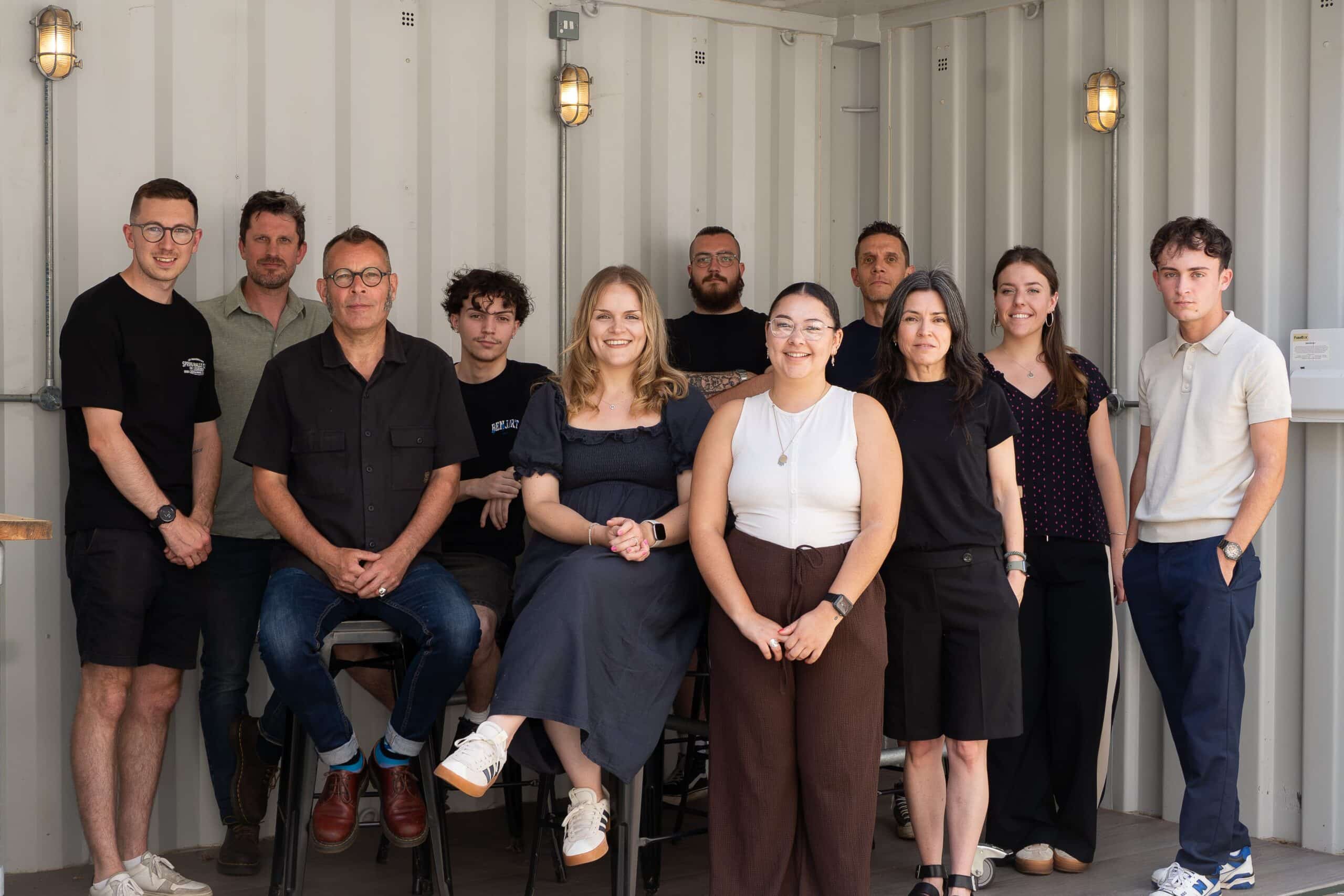
Achieving these standards required the involvement of the whole Mackman Group team. Colleagues reviewed everyday working practices, completed training, strengthened systems, documented responsibilities and embedded new controls across the business.
Chloe Kichenbrand, Group Operations Manager, played an important role in coordinating the operational work required to translate the standards into consistent working practices.
Adam Chamberlin, Head of Development, provided leadership across systems, development, technical security and responsible technology use.
Bruce Burgoyne, Branding & Digital Director, has helped guide the practical adoption of AI within the Group’s creative, marketing and digital operations, while Dr Gemma Mackman, Research Director, has ensured research integrity, participant protection and evidence remain central to its approach.
Every member of the team has contributed through training, collaboration and the application of these systems in their everyday work.
Paul Mackman, Group Managing Director, said:
“AI is advancing faster than many organisations’ policies and working practices. The question is no longer simply whether businesses should use AI, but whether they understand the risks and have the right safeguards in place.
“We wanted to demonstrate that responsible AI adoption is achievable for smaller organisations, not just large corporations with specialist technology departments. Our investment reflects our belief that innovation, professional standards and good governance should develop together.”
Chloe Kichenbrand, Group Operations Manager, added:
“The value of a management standard lies in what people do every day. This has been a collective effort to examine our processes, make responsibilities clear and ensure the controls work in practice. Certification is an important milestone, but continual improvement is the work that follows.”

Helping Other Organisations Adopt AI Responsibly
Mackman Group’s experience has also highlighted the practical challenges businesses face when introducing AI into established working environments.
Successful adoption requires more than selecting technology. Organisations need to understand where AI can add value, identify potential risks, establish clear policies and ensure employees have the confidence and knowledge to use approved tools appropriately.
Drawing on its experience of organisational research, governance, marketing communications and employee engagement, Mackman Group is developing practical consultancy support to help other organisations adopt AI responsibly.
This approach focuses on understanding organisational needs, supporting policy development, coordinating stakeholders, communicating requirements clearly and helping employees adopt approved technologies with confidence.
Working alongside clients’ existing IT, legal, data protection and information security specialists, the aim is to support effective implementation while retaining appropriate specialist oversight and accountability.
The guiding principle is straightforward: businesses should not have to choose between embracing artificial intelligence and protecting the people, information and organisations that depend on them.
Frequently Asked Questions
What is ISO 42001?
ISO/IEC 42001 is an international standard for artificial intelligence management systems. It provides requirements for establishing governance, identifying and assessing risks, defining responsibilities and supporting the responsible development or use of AI within an organisation.
What is the difference between ISO 42001 and ISO 27001?
ISO/IEC 42001 focuses on the management and governance of artificial intelligence, including its associated risks, impacts and opportunities. ISO/IEC 27001 focuses on information security, providing a structured approach to protecting the confidentiality, integrity and availability of information. The two standards complement one another.
What do these certifications mean for Mackman Group clients?
The certifications provide independent evidence that Mackman Group has established and assessed structured management systems for artificial intelligence governance and information security. These systems support responsible technology use, information protection, accountability and continual improvement across the Group’s consultancy operations.
Certification and Further Information
The ISO/IEC 42001:2023 and ISO/IEC 27001:2022 certifications apply to Mackman Group and its operating divisions: Mackman Branding & Marketing, Mackman Research and Red Kite HR Services.
Mackman Group is certified to both standards by Citation ISO Certification. Citation ISO Certification states that it is accredited through ASCB and is not UKAS accredited.
Copies of current certificates and further information can be provided to procurement and compliance teams as part of appropriate supplier due diligence.
Readers can find further information about Mackman Group’s certifications, governance commitments and professional standards on its Trust, Governance & Standards page.
Interested in working with a consultancy committed to responsible innovation, professional standards and information security? Contact Mackman Group to discuss your requirements.